Homeowners who missed payments trigger the foreclosure clock and starts the pre-foreclosure process. Banks or lenders send out a Notice of Default (also called an N.O.D.) to the financially distressed homeowner every month for three months. Late fees pile up. This is followed by three more months of Notices of Trustee’s sale (also called N.O.T.) […]

Welcome to Buying Home Tips
Elena Yu, Ph.D., created this website just for you. She is a multi-lingual and super diligent licensed Broker Associate at Coldwell Banker Realty -a full-service real estate company. The company has a mortgage loan department that can assist with new loans or refinance. She also knows other mortgage loan companies if you prefer to use independent direct lenders or private lenders.
Elena is an ethical, knowledgeable and experienced realtor with astute business acumen and deep insight into local neighborhoods. Whether you are buying your first home, second home, or an investment property, Elena can help you find the home that best fits your needs and wants. And if you are listing your home for sale, Elena’s marketing strategy and negotiation skills will get you the highest offer. Every market is different. Elena knows how to work for your best interest in different market conditions.
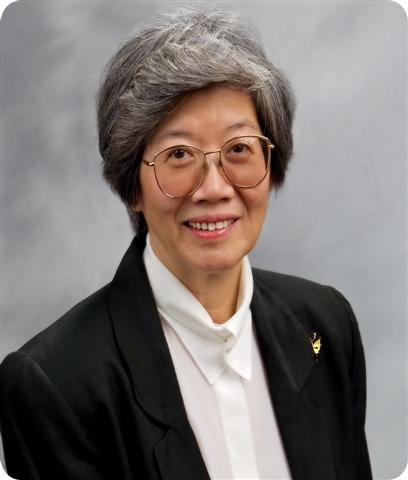
Have you been pre-approved for a home loan? What price range of homes are you interested in? Do you need to sell a house before you can buy? Are you a first-time home buyer? Or have you bought and sold many homes already? Are you an investor? Do you want to to do a 1031 Exchange? Or are you looking for a second home or vacation property in San Diego? Do you want to buy near UCSD, Mesa College or Mirama College? Elena Yu is the best person to help you.
When you are ready to start viewing and buying homes OR when you are ready to sell your home--however big or small, please contact her. 858-405-5175 (text) or e-mail Elena@ElenaYu.com.

Testimonials
David T
As a first-time home buyer, I thought purchasing a home would be difficult. Elena Yu, my realtor, made it simple by guiding me in every step towards owning my first home. Her guidance provided me with an in-depth understanding of the housing market and allowed me to make informed decisions.
Elena's professionalism, knowledge, and experience truly made a difference. Not once did I feel like she was going to be unable to find me a home. I can't speak any more highly of Elena and recommend her to prospective home buyers. What Elena brings to the table is more than just a real estate agent, but a turnkey solution to real estate services. She brings customer care to the forefront of any business she conducts, is honest, trustworthy, and responsive to the needs of her clients--things you can't teach. My experience was so gratifying that I'm sure the next home I purchase or sell, will be with Elena.
Joseph P
Jia L
